
Gastric Sleeve Surgery: A Comprehensive Guide to Weight Loss and the Option of Treatment in Turkey
Gastric sleeve surgery, also known as sleeve gastrectomy or laparoscopic sleeve gastrectomy (LSG), has
emerged as a significant intervention for individuals struggling with obesity. This surgical approach uses a
laparoscopic technique to substantially reduce the size of the stomach-typically by 75% to 85%-effectively
forming a narrow, tube-like structure.
This anatomical change serves a dual purpose: it limits the amount of food the stomach can hold, thereby
decreasing caloric intake, and it reduces the production of ghrelin, a hormone responsible for stimulating
hunger. The consistent mention of this substantial reduction in stomach size across medical sources
underscores its critical role in the procedure’s success.
This major decrease in stomach volume is the key mechanism behind the resulting weight loss. Additionally,
the concurrent drop in ghrelin levels offers further benefit by reducing intense hunger cravings commonly
experienced during dieting, making it easier for patients to maintain lower food intake.
Most patients undergoing this surgery can expect to lose 50% to 70% of their excess body weight within the
first two years after the procedure.
The Multifaceted Benefits of Gastric Sleeve Surgery
The benefits of gastric sleeve surgery go far beyond significant weight loss. The procedure is performed
using a minimally invasive laparoscopic technique, which requires only small incisions.
This approach generally leads to less postoperative pain, lower risk of infection, quicker recovery times, and
minimal scarring. Unlike some other bariatric surgeries, gastric sleeve surgery preserves the natural passage
of food from the stomach to the small intestine, as it does not interfere with the stomach’s inlet or outlet valves.
This preservation of normal gastrointestinal function may contribute to a lower risk of vitamin and mineral
deficiencies in the long run compared to surgeries that involve rerouting parts of the digestive tract. Patients
often experience significant improvement in obesity-related health conditions, including type 2 diabetes, high
blood pressure, elevated cholesterol levels, and sleep apnea.
These health benefits highlight that the value of this surgery is not merely cosmetic but substantially
contributes to overall well-being. In addition to physical improvements, many patients also report improved
self-confidence and increased mobility as their weight decreases and their health improves. This
comprehensive impact on physical and psychological health reflects the transformative nature of gastric
sleeve surgery.
Determining Candidacy: Eligibility for Gastric Sleeve Surgery
To determine whether gastric sleeve surgery is the appropriate course of action, specific eligibility criteria
have been established.
Generally, the surgery is recommended for adults between the ages of 18 and 65 who have a Body Mass
Index (BMI) of 40 or higher. It may also be considered for individuals with a BMI between 35 and 39.9 who
suffer from obesity-related health conditions such as type 2 diabetes or hypertension.
A key requirement is a documented history of unsuccessful weight loss efforts through diet and exercise.
Additionally, candidates must demonstrate psychological readiness to undergo the procedure and commit to
the significant lifestyle changes that follow, including changes in diet and regular physical activity.
The absence of alcohol or substance abuse and any serious health barriers that could complicate the surgery
or recovery are also important factors.
Conversely, individuals with certain medical conditions are typically not recommended for gastric sleeve
surgery. These contraindications include severe heart or lung disease, active disorders of the digestive tract,
uncontrolled psychiatric illness, bleeding disorders, active cancer, and pregnancy.
Other relative contraindications may include advanced age, the presence of multiple comorbidities, a history
of previous upper gastrointestinal surgeries, or poor adherence to medical guidance.
The Surgical Process: What to Expect During a Gastric Sleeve Procedure
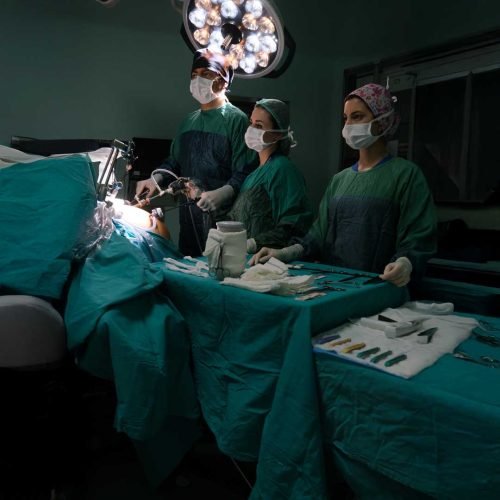
Gastric sleeve surgery is typically performed under general anesthesia using laparoscopic techniques.
Several small incisions-usually five to six-are made in the abdominal area. Through these entry points, the
surgeon inserts a laparoscope (a thin tube with a camera) along with specialized surgical instruments.
The camera provides a magnified view of the internal organs on a monitor, which helps guide the surgeon
during the procedure.
Initially, the liver is gently lifted to create a clear view of the stomach. The greater curvature, or the outer edge
of the stomach, is then mobilized. A calibration tube called a bougie is inserted into the stomach to guide the
creation of the new, smaller stomach pouch.
Using surgical staplers, the stomach is then stapled and divided alongside the bougie, removing
approximately 75% to 85% of the original stomach volume.
The removed portion of the stomach is extracted carefully through one of the incisions. Finally, the incisions
are closed with sutures or surgical clips.
The entire procedure usually takes about one to two hours to complete.
Recovery and Long-Term Care
Recovery begins almost immediately after surgery. Most patients are able to stand and walk on the same
day, and are fully mobile by the following day.
It is generally advised to rest at home for at least a week and avoid heavy lifting for about four weeks to allow
proper healing.
Light exercise can typically begin around the fourth week, depending on guidance from the medical team.
Long-term care includes following a carefully planned nutritional program. Initially, patients begin with a liquid
diet that includes non-carbonated, sugar-free fluids and gradually increase their intake.
After about four weeks, patients move to a pur ed food phase before slowly transitioning to solid foods.
The long-term diet plan emphasizes high-protein intake-at least 60 grams per day-while avoiding sugary and
fatty foods.
To prevent nutritional deficiencies, lifelong vitamin and mineral supplementation is commonly required. This
includes multivitamins, iron, folic acid, vitamin B12, calcium, vitamin D, zinc, and copper, based on the
healthcare provider’s recommendations.
Regular physical activity is also essential for long-term success, starting with low-impact exercises and
gradually increasing intensity, with a goal of at least three days of activity per week.
Psychological support-whether through professionals or group therapy-can also help patients cope with
emotional changes during the transition.
Follow-up appointments with the surgical team are critical for monitoring progress and addressing potential issues. These are typically scheduled at 2-3 weeks, 3 months, 6 months, and annually thereafter.
Understanding the Risks: Potential Side Effects of Gastric Sleeve Surgery

Although gastric sleeve surgery is generally considered safe, it is important to understand that complications
can still occur. These may be categorized as short-term, medium-term, or long-term effects.
Short-term risks may include leakage at the staple line, bleeding, infection, and blood clots in the legs.
Medium-term complications may include gastric stenosis (narrowing of the stomach), acid reflux, and
nutritional deficiencies.
Long-term risks may include weight regain, gallstone formation, and psychological challenges.
The overall mortality rate for bariatric surgery is estimated to be around 0.25%, and the risk of death from
gastric sleeve surgery is similar to that of gallbladder surgery.
It is important to note that the risks associated with morbid obesity and its complications are often far greater
than the risks of undergoing this procedure.
Turkey as a Place to Have Gastric Sleeve Surgery
Turkey has become a well-liked location for people looking for gastric sleeve surgery in recent years. This growing trend is mainly due to the procedure’s cost-effectiveness compared to countries like the United States and the United Kingdom, along with several other contributing factors. Many Turkish hospitals and clinics offer excellent care at a cheaper price, and some even have Joint Commission International (JCI) accreditation, which denotes compliance with global healthcare standards. Additionally, Turkey has a large number of skilled surgeons who specialize in bariatric surgery. Istanbul and Antalya are among the most popular locations in Turkey for this type of surgery, with Antalya especially favored due to its advanced medical centers and relaxing recovery environment.
Anticipated Results: Effective Weight Management and Success Rates over Time
The gastric sleeve operation is widely regarded as a very effective method for reducing weight and treating obesity-related health issues. While short-term weight loss usually averages around 58.3% of excess weight, long-term weight loss tends to be around 24.4%. According to studies, remission rates for type 2 diabetes are approximately 45.6%, and hypertension improves in around 41.4% of patients. Although the initial weight loss is often significant, long-term success depends on the patient’s commitment to maintaining a healthy lifestyle, including adherence to dietary recommendations and regular physical activity. Several studies suggest that a small proportion of individuals may regain weight over time—for example, around 20% at 10 years—highlighting the importance of ongoing support and consistent lifestyle adherence.